
In a manufacturing plant, a motor trip can stop far more than one piece of equipment. It can interrupt a conveyor sequence, delay production, affect downstream processes, increase maintenance pressure and create uncertainty around whether the fault is electrical, mechanical or process related.
For many teams, the first instinct is to reset the motor and get production running again. While that may solve the immediate stoppage, repeated trips usually indicate that something else is happening in the system. The motor may be overloaded. The driven equipment may be jammed. A pump may be running dry. A phase may be missing. There may be earth leakage, insulation deterioration, poor supply conditions, or a motor that has simply been started too many times in a short period.
This Q&A guide explains how manufacturing teams can diagnose repeated motor trips using the NewElec KD Series Relay. It is written for maintenance technicians, plant engineers, electrical contractors, consulting engineers, panel builders and operations teams who need to protect motors, reduce downtime and understand what the trip is really telling them.
The KD Series Relay is suited to manufacturing applications such as conveyors, pumps, fans, compressors and crushers, where reliable motor protection and fault visibility are essential for day-to-day plant operation.
Why should repeated motor trips not be ignored?
A motor trip should never be treated as an isolated inconvenience if it keeps happening. In manufacturing environments, repeated trips are often early warnings of a developing fault or an operating condition that has moved outside normal limits. A single trip may be caused by a temporary overload or process variation. Repeated trips, however, may point to a deeper issue such as mechanical drag, a blocked conveyor, dry-running pump, phase imbalance, incorrect relay settings, insulation deterioration, voltage instability or short-circuit risk.
The danger of reset-and-restart behaviour is that it can hide the real cause of the fault. Each restart may place additional stress on the motor, contactor, cables and driven equipment. In some cases, the motor may be restarted before its thermal capacity has recovered, increasing the risk of damage.
Typical consequences of ignoring repeated trips include:
- Production stoppages that become more frequent.
- Unnecessary motor, bearing, pump or gearbox replacement.
- Higher maintenance callout costs.
- Loss of confidence in the motor protection system.
- Increased risk of severe equipment damage.
- Poor fault history for future troubleshooting.
- Pressure on operators to bypass or override protection.
Engineering implication: repeated trips are not only a protection issue. They are a reliability, safety and operational continuity issue.
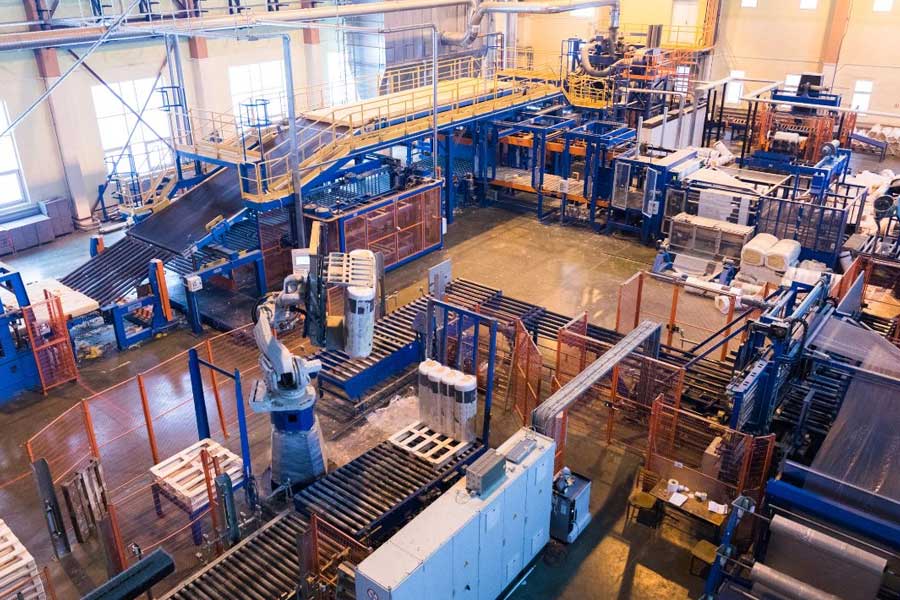
What is the KD Series Relay used for in manufacturing?
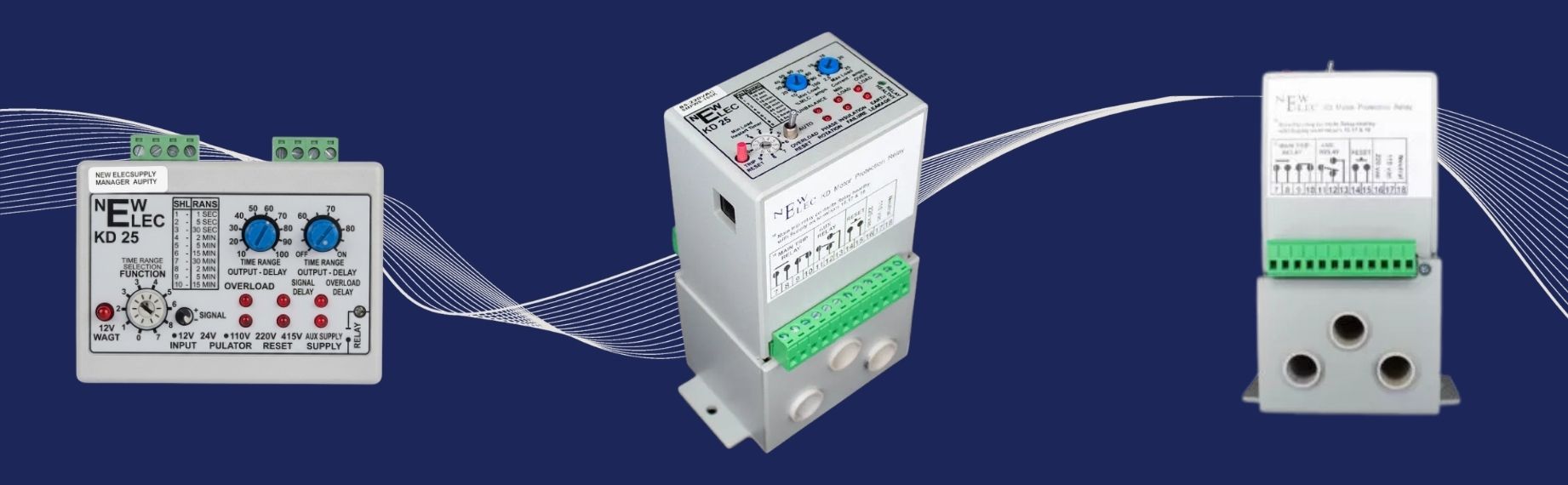
The KD Series Relay is a low-voltage electronic motor protection relay used to protect motor-driven equipment against common electrical and mechanical fault conditions.
In manufacturing environments, it can be applied to equipment such as:
- Conveyor systems
- Industrial pumps
- Fans and ventilation systems
- Compressors
- Crushers
- Mixers
- Material handling equipment
- MCCs and control panels
- OEM plant equipment
The value of the KD Series Relay is that it does more than respond to a trip condition. It provides configurable protection features and fault information that can help maintenance teams identify what may have caused the trip. This is especially useful in manufacturing plants where downtime is expensive and where many motor trips are symptoms of changing load conditions, mechanical faults, process issues or supply problems.
Is the motor overloaded?
Overload is one of the most common causes of motor tripping in manufacturing plants. It happens when the motor is required to deliver more load than it can safely sustain over time.
In a conveyor system, overload may be caused by excessive material on the belt, misalignment, mechanical drag or seized rollers. In a pump application, it may be linked to flow restrictions, blocked lines or changes in process conditions. In a crusher, mixer or compressor, overload may occur when the equipment is asked to work beyond its normal operating range.
Signs that overload may be the problem include:
- The motor trips after running for a period of time.
- The trip happens more often during peak production.
- The motor casing or surrounding equipment feels unusually hot.
- The driven equipment appears to be under strain.
- The fault occurs when load increases.
- The same motor trips repeatedly under similar operating conditions.
The KD Series Relay includes thermal overload protection, which helps protect the motor against excessive heating caused by sustained or cyclic overloads. In practical terms, this allows the relay to respond to motor heating behaviour rather than only reacting to a single high-current event.
Practical checks:
- Has production loading changed recently?
- Has the conveyor, pump, fan, compressor or crusher been mechanically inspected?
- Are bearings, belts, couplings and rollers in good condition?
- Is the motor correctly sized for the application?
- Is the overload trip happening during start-up, normal running or peak load?
If the same trip condition appears repeatedly, the issue is unlikely to be random. The motor may be telling the team that the equipment is being pushed beyond its safe operating limits.
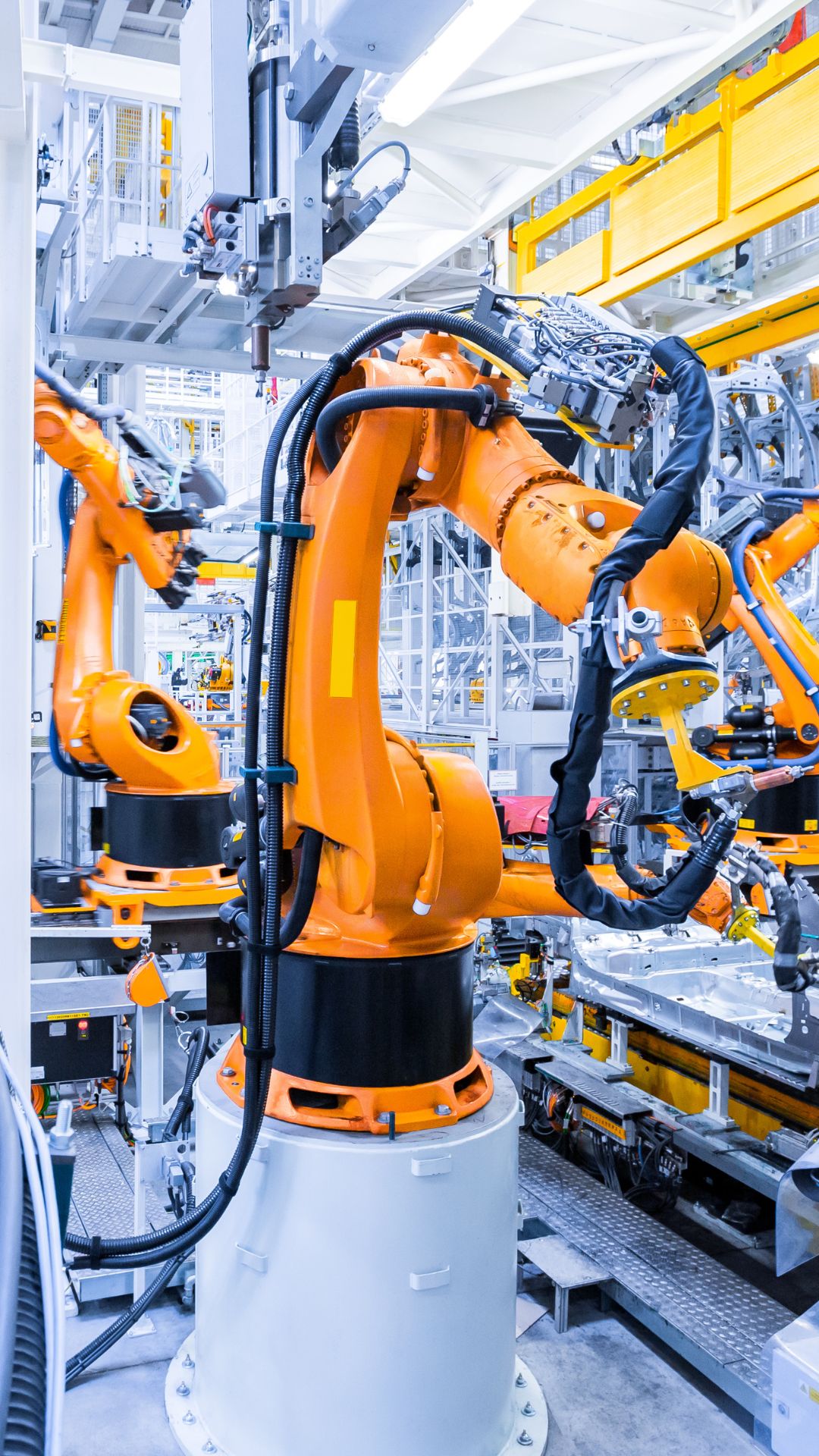
Is the motor failing to start or experiencing a locked rotor?
A locked rotor condition occurs when the motor cannot accelerate as expected. This can happen when the driven equipment is jammed, the load is too high at start-up, or a mechanical obstruction prevents normal rotation.
In manufacturing, this can occur when:
- A conveyor starts under excessive load.
- A crusher is started with material still inside the chamber.
- A pump is mechanically blocked.
- A mixer has settled material around the shaft.
- A fan has mechanical resistance.
- A compressor starts against abnormal pressure.
Locked rotor conditions are serious because high current can flow while the motor is not accelerating properly. If the protection system does not respond correctly, the motor can heat rapidly and suffer damage. The KD Series Relay includes locked rotor protection and vectorial stall detection, helping identify abnormal start-up behaviour rather than treating every trip as a simple overload.
Practical checks:
- Does the motor trip immediately or shortly after start-up?
- Does the equipment turn freely when isolated and safely inspected?
- Has material built up inside the driven equipment?
- Is the start-up load higher than normal?
- Has the process sequence changed?
- Has the motor started successfully before under the same conditions?
Engineering implication: if a motor trips before it reaches normal running speed, do not only check the electrical supply. Also check the mechanical load and start-up condition.
Is the motor running underloaded?
Not every dangerous motor condition is caused by too much load. Sometimes a motor trip is caused by too little load. Underload may indicate that the motor is no longer doing the work it is supposed to do. In manufacturing, this can point to dry running, loss of product, broken belts, failed couplings, blocked suction, loss of flow or abnormal process conditions.
Underload is especially important in pump applications. If a pump runs without enough media, it may experience dry-run conditions, cavitation or damage to internal components.
Underload may also indicate:
- A belt has snapped or slipped.
- A coupling has failed.
- A pump has lost prime.
- A fan is not moving air as expected.
- A feeder is running empty.
- A process line has lost material flow.
The KD Series Relay includes minimum load and underload protection. This allows the relay to respond when the motor is drawing less load than expected, which can be just as important as overload protection in the right application.
Practical checks:
- Is the pump, fan, conveyor or feeder actually moving product, air or liquid?
- Is the motor running but not doing useful work?
- Has a belt, coupling or shaft failed?
- Is there a dry-run risk?
- Is the pump losing prime?
- Is the low-load condition repeatable?
Practical example: a pump motor that trips under minimum load may be warning the team that there is no media to pump. Resetting the motor without checking the process condition may expose the pump to further damage.
Is there earth leakage, earth fault or insulation deterioration?
Earth leakage and insulation deterioration are important concerns in manufacturing plants, especially where motors operate in wet, dusty, humid, corrosive or washdown environments.
These conditions can affect:
- Pump motors
- Submersible equipment
- Motors near water or chemicals
- Outdoor plant equipment
- Older installations
- Equipment exposed to dust, vibration or contamination
- Motors operating in harsh production environments
Earth leakage may indicate that current is escaping from the intended path. Insulation deterioration may occur gradually over time due to heat, moisture, mechanical stress, contamination or age.
The KD Series Relay includes earth leakage, earth fault and insulation lockout protection. This supports safer operation and helps prevent a motor from being restarted where insulation resistance is below acceptable limits.
Practical checks:
- Has the motor been exposed to moisture, washdown or water ingress?
- Has insulation resistance been tested?
- Are cable glands, terminals and junction boxes sealed correctly?
- Is the trip occurring after rain, cleaning or humid conditions?
- Is the motor older or operating in a harsh area?
- Are there signs of tracking, contamination or insulation breakdown?
Engineering implication: if earth leakage or insulation issues are present, repeated resetting is unsafe and can increase the risk of more serious failure.
Is there a running stall or jam condition?
A running stall or jam occurs after the motor has already started. The motor begins operating normally, but the driven equipment becomes blocked, overloaded or mechanically restricted during operation.
This is highly relevant in manufacturing environments where equipment handles product, material, liquid, waste or mixed media.
Running stall or jam conditions can affect:
- Conveyors carrying uneven or excessive loads.
- Crushers processing hard or inconsistent material.
- Mixers handling dense product.
- Pumps moving slurry or mixed media.
- Augers, feeders or material handling systems.
- Production lines where product build-up creates resistance.
The KD Series Relay includes running stall and jam protection. This helps detect abnormal high-load conditions during operation and respond before the motor or driven equipment is damaged.
Practical checks:
- Does the trip happen while the machine is already running?
- Does it occur when product flow increases?
- Is there material build-up, blockage or mechanical restriction?
- Is the trip linked to a specific point in the production cycle?
- Has the process changed, such as heavier product, higher throughput or a new operating sequence?
- Is the motor protecting itself from a mechanical problem rather than an electrical one?
Practical example: if a conveyor motor trips whenever material volume increases, the cause may not be the motor itself. The real issue may be material loading, mechanical drag, poor belt tracking or a jam developing in the system.
Is there phase imbalance or single phasing?
Phase imbalance and single phasing can place serious stress on a three-phase motor. Even when a motor continues to run, unbalanced current can cause overheating, reduced efficiency, vibration and premature failure.
In manufacturing plants, phase imbalance or single phasing may be caused by:
- Blown fuses
- Loose terminals
- Poor cable connections
- Damaged contactors
- Supply instability
- Uneven loading across phases
- Faults in upstream electrical equipment
The KD Series Relay includes unbalanced current and single phasing protection, helping identify conditions where the motor is not receiving a healthy balanced supply.
Practical checks:
- Are all three phases present?
- Are phase currents balanced?
- Has a fuse blown upstream?
- Are terminals tight and free from heat damage?
- Is the problem limited to one motor or affecting several motors?
- Has there been recent electrical work on the MCC or control panel?
- Are trips occurring during certain shifts, load conditions or supply periods?
Engineering implication: phase imbalance is not always obvious from a quick visual inspection. It requires measurement and a protection system capable of detecting abnormal current conditions.
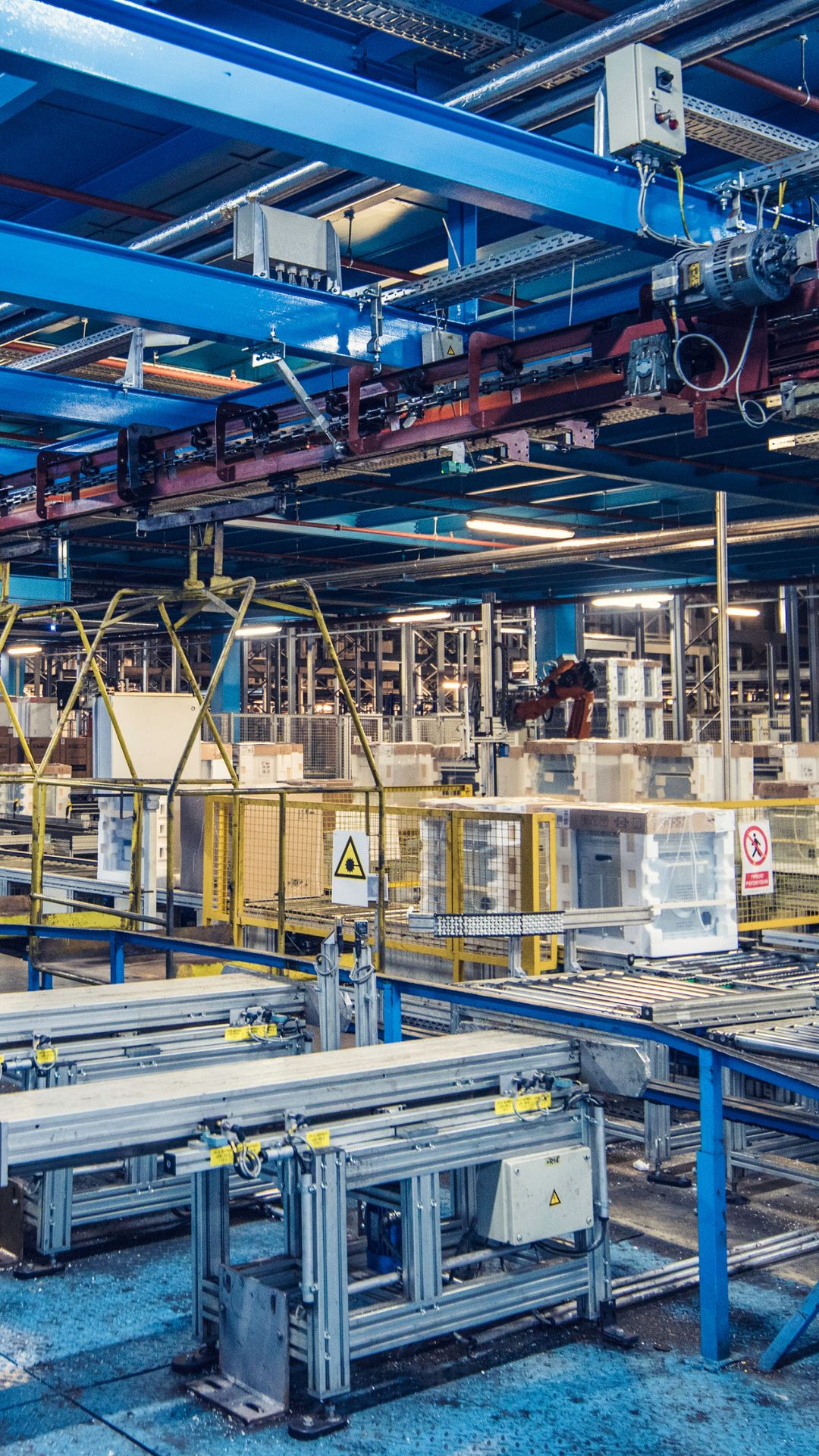
Is there a short-circuit or high-energy fault risk?
Short-circuit conditions require careful handling because they involve high fault energy. Unlike some overload or underload events, a short-circuit fault should not be treated as a routine reset.
In manufacturing environments, short-circuit risk may be linked to:
- Cable damage
- Insulation failure
- Terminal faults
- Incorrect wiring
- Moisture ingress
- Mechanical damage to cables
- Faults inside control panels or motor junction boxes
The KD Series Relay includes short-circuit protection. The purpose is not only to detect a fault, but to support proper coordination so that upstream protective devices such as circuit breakers or fuses clear the fault safely.
Practical checks:
- Did the trip happen suddenly and severely?
- Did upstream protection operate?
- Are there signs of heat, arcing, smell or physical damage?
- Has the cable route been inspected?
- Has the motor terminal box been checked?
- Was any recent maintenance or wiring change performed?
- Has the circuit been tested before attempting a restart?
Important: if a short-circuit fault is suspected, the system should be isolated and inspected by a competent person before the motor is returned to service.
Has the motor started too many times in a short period?
Repeated starts create heat. In a busy production environment, operators may try to restart equipment several times after a trip to get production moving again. This can place additional stress on the motor and reduce the time available for thermal recovery.
This is particularly relevant where:
- A conveyor is restarted repeatedly after a blockage.
- A pump cycles too often due to process control issues.
- A compressor starts frequently because of demand variation.
- A production line is being restarted after repeated interruptions.
- Operators attempt multiple resets before maintenance has diagnosed the fault.
The KD Series Relay includes starts-per-hour limitation. This helps prevent repeated starts from damaging the motor when the underlying fault has not been resolved.
Practical checks:
- How many start attempts occurred before the trip?
- Was the motor allowed enough time to cool?
- Is the process control system causing frequent starts?
- Are operators repeatedly resetting the system?
- Is the relay preventing a restart because the motor has not recovered thermally?
Practical example: if a conveyor trips due to a jam and is restarted several times without clearing the material, the motor may experience both mechanical stress and thermal stress. Starts-per-hour protection helps prevent this cycle from escalating into motor damage.
What does the fault history show?
Fault history is one of the most useful tools when diagnosing repeated motor trips. Without fault records, the team may only know that the motor stopped. With proper fault and event data, the team can begin to understand what happened before and during the trip.
The KD Series Relay provides event and fault records that help maintenance teams move away from guesswork.
Questions to ask when reviewing fault history:
- Is the same fault appearing repeatedly?
- Did the trip occur during start-up or while running?
- Was the current high, low or unbalanced?
- Was there a voltage issue?
- Was earth leakage present?
- Did the fault happen after a specific process change?
- Is the trip linked to a certain shift, operator action or production load?
- Did the relay record repeated starts before the trip?
- Was the trip electrical, mechanical or process related?
Fault history is especially valuable where a motor trips intermittently. These faults are often the hardest to diagnose because the equipment may appear normal by the time maintenance arrives.
Practical example: a pump that trips once a week may seem random. If the fault history shows repeated minimum load conditions, the issue may be linked to dry running, low flow, blocked suction or process instability.
Engineering implication: fault records help teams identify patterns. Patterns are what turn a trip from a mystery into a maintenance action.
What commissioning checks help prevent repeated trips?
Correct commissioning is essential. Many repeated trip problems are not caused by the relay itself, but by incorrect settings, poor application understanding or limited baseline testing.
Commissioning checks should include:
- Confirm motor full-load current.
- Confirm relay model and current range.
- Verify CT selection and orientation where applicable.
- Confirm application type and expected load behaviour.
- Set overload protection according to the motor and duty.
- Set underload protection where dry-run or loss-of-load conditions matter.
- Check phase rotation, voltage and current balance.
- Test earth leakage and insulation-related functions.
- Confirm starts-per-hour settings for the operating cycle.
- Review fault and event recording after commissioning.
- Record baseline operating values for future comparison.
Common pitfalls:
- Using factory default settings without application review.
- Resetting repeated trips without checking fault history.
- Treating mechanical jams as electrical faults.
- Ignoring underload conditions in pump applications.
- Not checking phase imbalance.
- Not testing insulation resistance in wet or harsh areas.
- Replacing motors without identifying the fault cause.
- Failing to update settings after plant changes.
Engineering implication: the relay is most valuable when its settings reflect the motor, the load and the process. Protection should be configured for the real application, not only the nameplate.
How does the KD Series Relay help reduce downtime?
The KD Series Relay helps manufacturing teams reduce downtime by supporting both protection and fault diagnosis.
It does this by helping teams:
- Protect motors against overload and thermal stress.
- Detect abnormal start-up conditions.
- Respond to running stall and jam conditions.
- Identify phase imbalance and single phasing.
- Detect underload or dry-run conditions.
- Support earth leakage, earth fault and insulation protection.
- Limit repeated starts that can damage the motor.
- Use fault and event records for root-cause analysis.
- Make better maintenance decisions after a trip.
This is particularly useful in older plants, manufacturing facilities with critical motor-driven equipment, and operations where full automation may be phased in over time. A plant does not need to wait for a major automation project before improving motor protection and diagnostic visibility.
Applied Manufacturing Scenarios
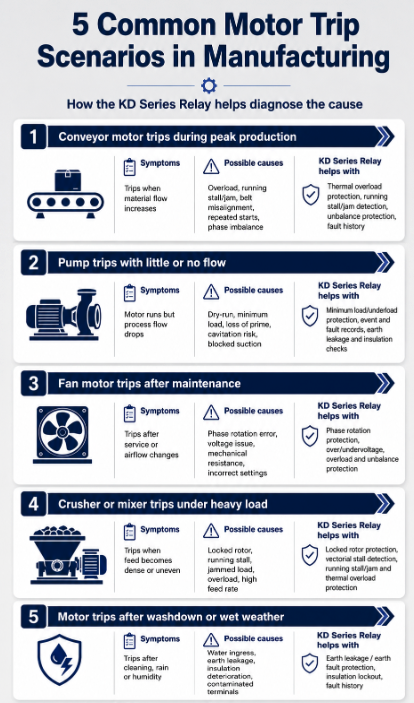
Scenario 1. Conveyor motor trips during peak production
A manufacturing conveyor runs normally during light production but trips during peak material flow.
Possible causes:
- Conveyor overload
- Material build-up
- Jammed rollers
- Belt misalignment
- Running stall
- Phase imbalance
- Too many restart attempts
Diagnosis approach: Start by checking when the trip happens. If it occurs during heavy material flow, overload or running stall should be investigated. If it occurs after several restart attempts, starts-per-hour limitation and thermal recovery should be considered. If the trip appears inconsistent, review phase balance and fault history.
KD Series relevance: The KD Series Relay can help identify overload, running stall or jam conditions, phase imbalance and repeated start issues. Fault history can help confirm whether the same condition is occurring repeatedly.
Scenario 2. Pump trips even though the motor appears healthy
A process pump trips, but the motor does not show obvious signs of mechanical failure.
Possible causes:
- Dry-run condition
- Minimum load
- Loss of prime
- Blocked suction
- Cavitation risk
- Insulation deterioration
- Earth leakage
- Running jam if handling slurry or mixed media
Diagnosis approach: Check whether the pump is moving media. A motor can continue running while the pump is not performing its intended work. If the relay indicates underload, investigate dry-run conditions, loss of flow or process-related causes. If earth leakage or insulation lockout is involved, inspect for water ingress or insulation deterioration.
KD Series relevance: The KD Series Relay supports minimum load/underload protection, earth leakage/earth fault protection, insulation lockout, running stall/jam protection and fault records.
Scenario 3. Fan motor trips after maintenance
A fan motor trips after routine maintenance or after changes to the ducting or airflow path.
Possible causes:
- Phase rotation issue
- Voltage imbalance
- Mechanical resistance
- Incorrect settings
- Bearing or alignment issue
- Fan obstruction
- Abnormal load condition
Diagnosis approach: Check whether the fan rotates in the correct direction and whether the airflow path has changed. Inspect the mechanical condition and confirm supply voltage and phase balance. Review whether relay settings still match the motor and application.
KD Series relevance: The KD Series Relay includes over/undervoltage, phase rotation, unbalance and overload protection. These functions can help identify whether the trip is linked to electrical supply conditions or load behaviour.
Scenario 4. Crusher or mixer trips under heavy load
A crusher or mixer trips when product density increases or material feed becomes inconsistent.
Possible causes:
- Running stall
- Jammed load
- Excessive feed rate
- Locked rotor
- Overload
- Mechanical binding
- Start-up under load
Diagnosis approach: Determine whether the trip happens during start-up or while running. A start-up trip may point to locked rotor or excessive starting load. A trip during operation may point to running stall, jam or overload. Review process feed conditions and inspect the driven equipment for blockage or wear.
KD Series relevance: The KD Series Relay supports locked rotor protection, vectorial stall detection, running stall/jam protection and thermal overload protection.
Scenario 5. Motor trips after washdown, rain or humid conditions
A motor trips after cleaning, wet weather or operation in a humid plant area.
Possible causes:
- Moisture ingress
- Earth leakage
- Insulation deterioration
- Contaminated terminals
- Damaged cable glands
- Water in the terminal box
- Cable insulation breakdown
Diagnosis approach: Do not assume the fault is temporary. Isolate and inspect the motor, cable, glands and terminal box. Conduct insulation resistance testing and check for water ingress or contamination.
KD Series relevance: The KD Series Relay includes earth leakage, earth fault and insulation lockout protection, helping reduce the risk of restarting a motor under unsafe insulation conditions.
Frequently Asked Questions Recap
Why does my manufacturing motor keep tripping?
A motor may keep tripping because of overload, locked rotor, running stall, phase imbalance, underload, earth leakage, insulation deterioration, short-circuit conditions, repeated starts or incorrect settings. The fault history should be reviewed before assuming the motor itself is the problem.
What is the difference between overload and running stall?
Overload usually refers to the motor carrying more load than it can safely sustain over time. Running stall or jam refers to a more severe operating condition where the driven equipment becomes blocked or mechanically restricted while running.
How does underload protection help with pump dry-run?
Underload protection can detect when a motor is drawing less load than expected. In pump applications, this can indicate dry running, loss of media, loss of prime or reduced flow. This helps protect the pump and motor before damage escalates.
Can phase imbalance damage a motor?
Yes. Phase imbalance can cause uneven current, overheating and reduced motor life. Even a motor that continues to run may be under stress if the supply is not balanced.
When should I contact NewElec for relay selection support?
Contact NewElec when you are unsure which relay model suits your motor current, application type, protection requirements or panel configuration. Selection should consider motor size, load type, operating conditions and required protection features.
Why Choose NewElec?
- Feature-Rich Products – Our relays come equipped with advanced functionalities, including real-time event recording and seamless integration with various communication protocols. These features provide comprehensive protection and control, setting NewElec apart from competitors.
- Long-Term Durability – Designed for a lifespan of 20 to 30 years, NewElec’s products offer long-term reliability and reduced maintenance costs. This durability ensures a solid return on investment and uninterrupted operations.
- Exceptional Support – Our dedicated team provides ongoing guidance and assistance, from initial consultation to post-implementation support. We work closely with clients to tailor solutions that meet their specific needs, ensuring a seamless integration process and optimal performance.
Don’t wait for a shutdown or system failure to upgrade. Why Wait to Automate™ is your practical, scalable, and affordable path to intelligent motor protection and automation. Contact us today to learn how easy it is to bring your MCC into the digital age.


